We welcome Apple Hill Podiatry patients

What Heel Pain May Indicate

Plantar fasciitis is often described as sharp heel pain with first steps, but many people notice it behaves in less predictable ways. The plantar fascia, a strong band of tissue along the bottom of the foot, helps store and release energy with each step. When it becomes irritated, the pain may ease after moving, then return later in the day or after standing too long. Tight calves, changes in activity, or even long periods of sitting can all play a role. It is not always about overuse. Wearing supportive shoes, gentle stretching, and pacing daily activity can help calm symptoms. Avoiding sudden increases in walking or exercise is also important. Early attention can prevent a longer recovery. If heel discomfort lingers or keeps returning, it is suggested that you see a podiatrist for a diagnosis and appropriate treatment.

Plantar fasciitis is a common foot condition that is often caused by a strain injury. If you are experiencing heel pain or symptoms of plantar fasciitis, contact one of our podiatrists from Premier Ankle & Foot Specialists. Our doctors can provide the care you need to keep you pain-free and on your feet.

What Is Plantar Fasciitis?

Plantar fasciitis is one of the most common causes of heel pain. The plantar fascia is a ligament that connects your heel to the front of your foot. When this ligament becomes inflamed, plantar fasciitis is the result. If you have plantar fasciitis you will have a stabbing pain that usually occurs with your first steps in the morning. As the day progresses and you walk around more, this pain will start to disappear, but it will return after long periods of standing or sitting.

What Causes Plantar Fasciitis?

  • Excessive running
  • Having high arches in your feet
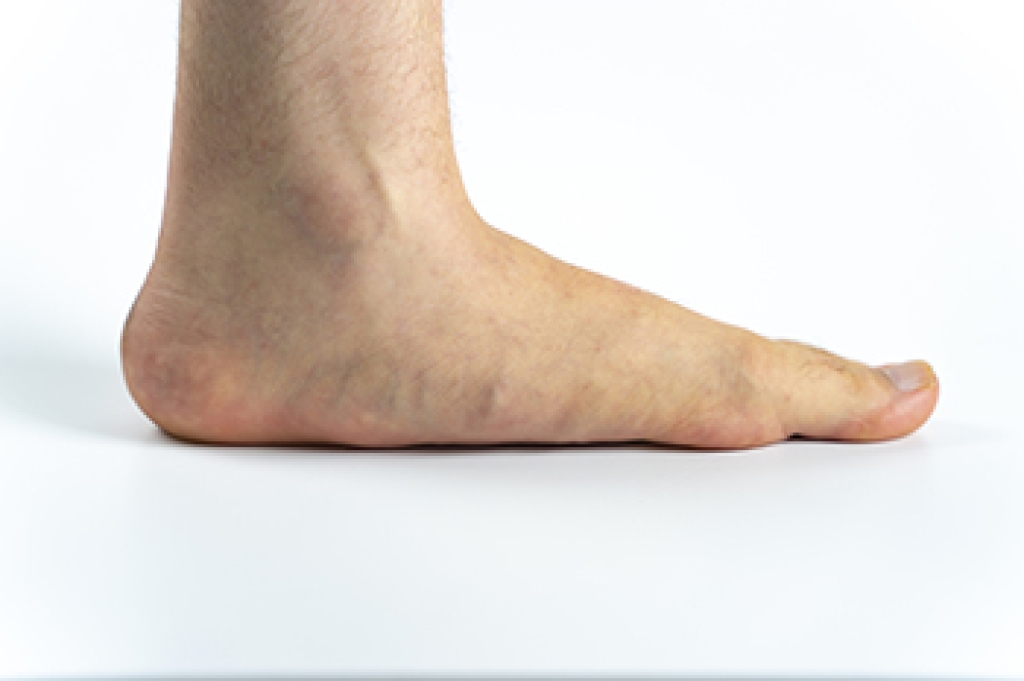
  • Other foot issues such as flat feet
  • Pregnancy (due to the sudden weight gain)
  • Being on your feet very often

There are some risk factors that may make you more likely to develop plantar fasciitis compared to others. The condition most commonly affects adults between the ages of 40 and 60. It also tends to affect people who are obese because the extra pounds result in extra stress being placed on the plantar fascia.

Prevention

  • Take good care of your feet – Wear shoes that have good arch support and heel cushioning.
  • Maintain a healthy weight
  • If you are a runner, alternate running with other sports that won’t cause heel pain

There are a variety of treatment options available for plantar fasciitis along with the pain that accompanies it. Additionally, physical therapy is a very important component in the treatment process. It is important that you meet with your podiatrist to determine which treatment option is best for you.

If you have any questions, please feel free to contact our offices located in South York, West York, and East York, PA . We offer the newest diagnostic and treatment technologies for all your foot care needs.
 

Read more about Plantar Fasciitis

Custom Orthotics for High Heels

Custom Orthotics help you not have to choose between style and comfort. With Custom Orthotics designed for high heels, you can walk with confidence, knowing your feet are supported. Custom Orthotics help distribute pressure evenly, reducing the risk of pain and discomfort. Whether it's a day at the office or a night on the town, make every step graceful and pain-free. Discover the magic of Custom Orthotics for high heels by calling our office today.

Painful Toenails

Various toenail conditions can lead to discomfort, often resulting from injury, infection, or underlying skin issues. One of the most common problems is an ingrown toenail, which can become increasingly painful if not addressed. An ingrown toenail occurs when the edge of the nail grows into the surrounding skin, causing redness, swelling, and tenderness along the nail border. The area may feel especially sore when pressure is applied, such as while wearing shoes, and infection may develop with drainage or warmth. Factors that contribute to this condition include trimming the nails too short, tight footwear, previous injury, or naturally curved nails. A podiatrist can assess the condition and recommend appropriate care. Treatment may involve removing the ingrown portion, providing guidance on proper nail trimming, or performing a minor procedure to help prevent recurrence. Prompt care can ease discomfort and reduce the risk of infection. If you have an ingrown toenail or other nail concerns, it is suggested that you make an appointment with a podiatrist.

Ingrown toenails can become painful if they are not treated properly. For more information about ingrown toenails, contact one of our podiatrists of Premier Ankle & Foot Specialists. Our doctors can provide the care you need to keep you pain-free and on your feet.

Ingrown Toenails

Ingrown toenails occur when a toenail grows sideways into the bed of the nail, causing pain, swelling, and possibly infection.

Causes

  • Bacterial infections
  • Improper nail cutting such as cutting it too short or not straight across
  • Trauma to the toe, such as stubbing, which causes the nail to grow back irregularly
  • Ill-fitting shoes that bunch the toes too close together
  • Genetic predisposition

Prevention

Wearing proper fitting shoes and using proper cutting techniques will also help decrease your risk of developing ingrown toenails.

Treatment

Ingrown toenails are a very treatable foot condition. In minor cases, soaking the affected area in salt or antibacterial soaps will not only help with the ingrown nail itself, but also help prevent any infections from occurring. In more severe cases, surgery is an option. In either case, speaking to your podiatrist about this condition will help you get a better understanding of specific treatment options that are right for you.

If you have any questions, please feel free to contact our offices located in South York, West York, and East York, PA . We offer the newest diagnostic and treatment technologies for all your foot care needs.

Read more about Ingrown Toenail Care

Get Proper Treatment for Ankle Injuries

If you're experiencing ankle pain, you may be suffering from an ankle injury. Sprains, fractures, Achilles tendonitis, and Achilles tendon ruptures are just some examples of potential ankle injuries. Don't wait for care for an ankle injury, as it may worsen over time. We can help!

Orthotics and the Reduction of Achilles Tendon Pain

Achilles tendon pain happens when the strong band that connects the calf to the heel becomes strained from repeated use. This tendon works with every step, so too much stress from walking, running, or standing can lead to irritation over time. Common causes include tight calf muscles, poor foot alignment, and sudden increases in activity. Symptoms include pain in the back of the heel, stiffness in the morning, swelling, and discomfort that gets worse with movement or as the day goes on. Some people also feel weakness or have trouble pushing off the foot when walking. This ongoing strain can affect how the ankle and foot move together. Orthotics can help by supporting the foot, improving alignment, and reducing stress on the Achilles tendon during movement. This type of treatment can ease pain and help the body move more smoothly. If pain continues or begins to limit your daily activity, it is suggested that you schedule an appointment with a podiatrist to discuss orthotics. 

Our feet carry us through every part of life, absorbing the impact of thousands of steps each day. When they are not properly supported, the effects can extend far beyond the feet themselves. Custom orthotics provide the foundation the body needs by aligning, cushioning, and stabilizing each foot in its most natural position. They are carefully crafted to match the unique structure of each individual’s feet, allowing them to move efficiently and comfortably while reducing stress on the muscles, joints, and ligaments.

Proper foot support is essential for maintaining balance and preventing fatigue. Without it, the body compensates by shifting weight unevenly, which can lead to discomfort in the ankles, knees, hips, or lower back. Custom orthotics help restore this balance by redistributing pressure and promoting a more natural walking pattern. They not only ease existing pain but also protect against future strain or injury by supporting the arches and controlling excessive motion.

Unlike store-bought insoles, custom orthotics are created through detailed assessment and advanced technology to provide precise correction and comfort. They fit seamlessly into most shoes, making them ideal for daily wear, work, or sports.

If your feet feel tired, sore, or unsupported, it is recommended that you contact our office for more information, or to make an appointment.

If you have any questions please contact our offices located in South York, West York, and East York, PA

Read more about Sole Marketing Foot Discomfort

Connect With Us

scroll to top